When evaluating a hammer union manufacturer india requirement, buyers should focus on the approved specification, manufacturing route, material traceability, inspection plan and documented acceptance criteria. This guide explains the core checkpoints without assuming that one configuration suits every application.
What hammer unions do in flowline systems
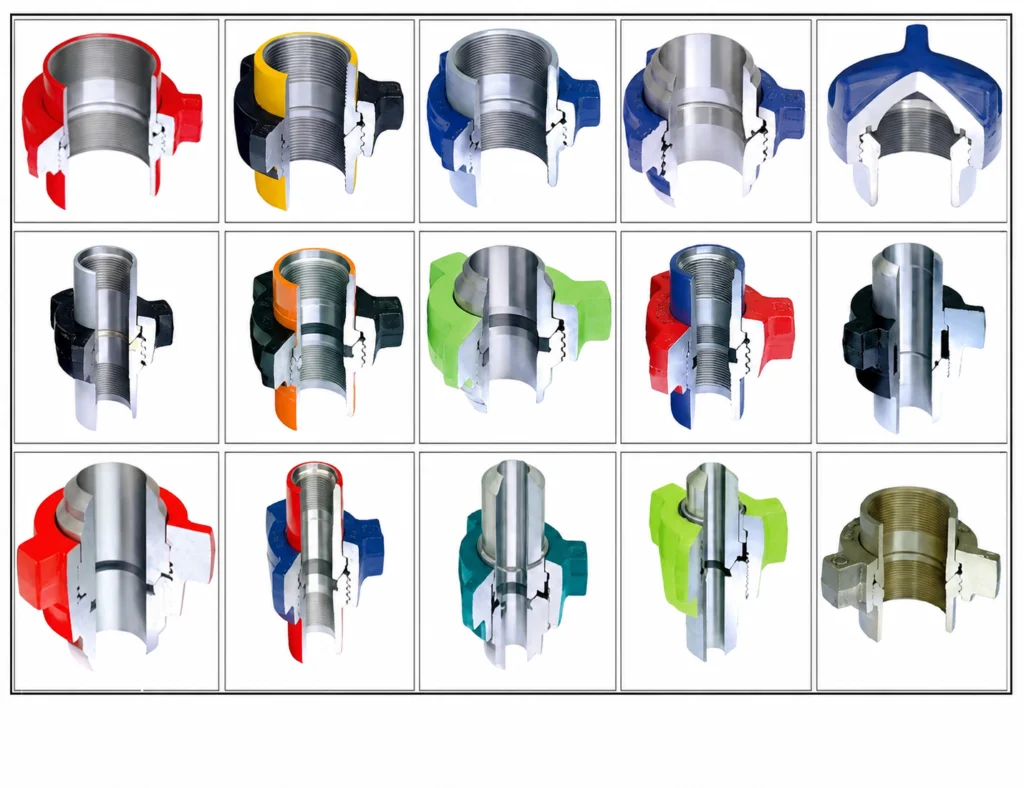
Hammer unions are connection systems used where fast assembly and disassembly are required in suitable oilfield flowline applications. Selection depends on the specified figure, size, pressure and service conditions. Visual similarity is not a substitute for engineering compatibility.
For a production enquiry, the most reliable approach is to share the governing drawing, standard and acceptance criteria so the manufacturing route can be reviewed against the actual requirement.
Key parts of a hammer union
A typical union assembly may include a male sub, female sub, wing nut and sealing elements depending on the design. Component geometry, threads, material and heat treatment must match the approved specification.
For a production enquiry, the most reliable approach is to share the governing drawing, standard and acceptance criteria so the manufacturing route can be reviewed against the actual requirement.
Pressure ratings and service conditions
Pressure class alone is not enough for selection. Temperature, media, sour-service requirements, cyclic loading, erosion and connection compatibility can affect suitability. Buyers should provide the exact standard, figure and service information.
For a production enquiry, the most reliable approach is to share the governing drawing, standard and acceptance criteria so the manufacturing route can be reviewed against the actual requirement.
Forging and machining quality controls
Forged blanks should be produced to a controlled route and machined to verified dimensions. Thread form, sealing surfaces, hardness, NDT and material traceability may all form part of the inspection plan.
For a production enquiry, the most reliable approach is to share the governing drawing, standard and acceptance criteria so the manufacturing route can be reviewed against the actual requirement.
RFQ checklist for hammer unions
Specify figure number, nominal size, pressure class, material, end connection, quantity, drawing revision, testing, marking, certification and destination. If only individual union components are required, identify each part clearly.
For a production enquiry, the most reliable approach is to share the governing drawing, standard and acceptance criteria so the manufacturing route can be reviewed against the actual requirement.
Frequently Asked Questions
What information should I include in my enquiry?
Include the latest drawing or standard, material, quantity, dimensions, service requirements, inspection scope, certification and delivery destination.
Can Competent Forging review custom drawings?
Yes. Drawing-based enquiries can be reviewed for manufacturing feasibility and quotation. Final scope is confirmed through the commercial and technical offer.
Where is Competent Forging located?
Competent Forging Limited is based in Faridabad, Haryana, India.
Request a Manufacturing Review
Send your drawing, material specification, quantity and inspection requirements to info@competentforging.com or use the contact page. The team can confirm the quotation scope against your actual requirement.